

Digital transformation becomes valuable when it changes the way a business actually works. It is not just about replacing paper with software or launching a new website. For many companies, the real challenge is that daily operations are spread across spreadsheets, emails, shared folders, manual approvals, and tools that do not communicate with each other. When this happens, teams spend too much time checking status, copying data, preparing reports, and following up manually. A well-planned digital transformation project brings those moving parts into a clearer, more reliable structure.
What digital transformation means in practice
In practical business terms, digital transformation means turning repeated manual work into structured digital workflows. That can include customer portals, internal systems, dashboards, API integrations, CRM modules, approval processes, document workflows, and automated notifications. The goal is not to make the company look more technical. The goal is to help people finish work faster, reduce mistakes, protect data, and make decisions based on real information instead of guesswork.
A successful transformation starts with the workflow, not the technology. Before choosing a platform or writing code, the business needs to understand what happens from the first customer request to the final result. Who receives the request? What data is needed? Who approves it? What should happen if something is missing? Which reports are required? These questions define the system more accurately than a list of random features.
How digital systems improve efficiency
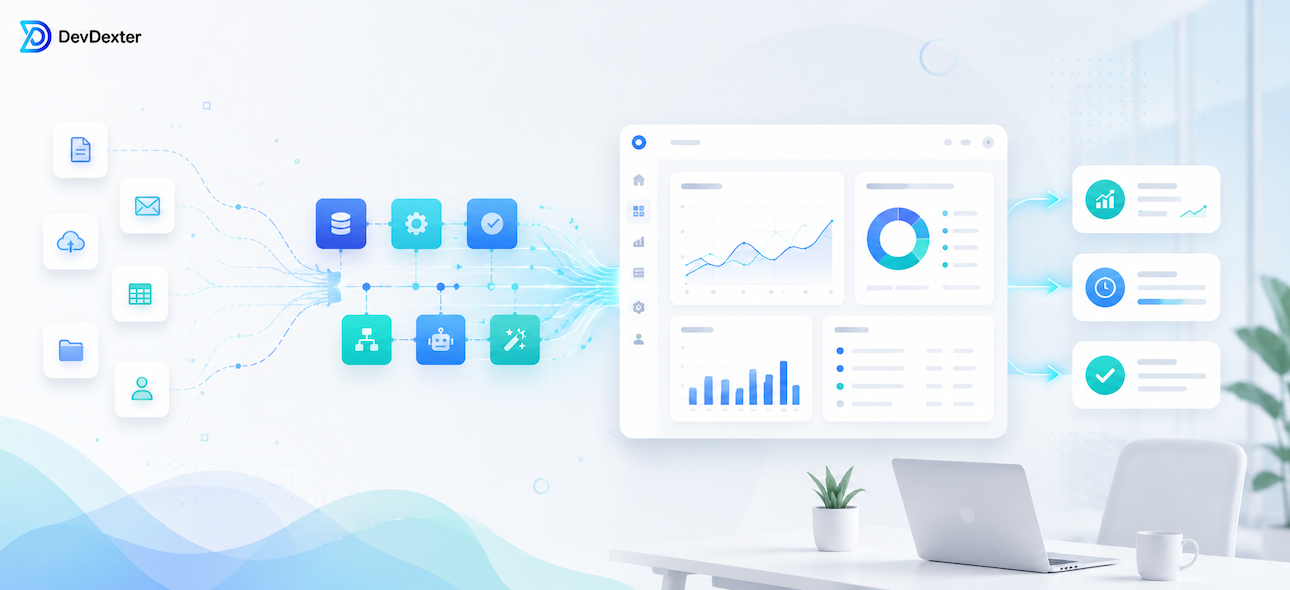
Efficiency improves when people no longer need to repeat the same tasks in different places. For example, a form can collect customer information once and send it to an admin panel, CRM, email workflow, dashboard, and reporting system. A manager can review approvals from one place instead of searching through messages. A support team can see the customer history before replying. Finance can track statuses without asking another department for updates.
These improvements may look small at first, but they compound over time. Fewer manual steps means fewer errors. Cleaner data means better reporting. Better reporting means faster decisions. Clear roles and permissions mean less confusion. When all of these pieces work together, the business becomes easier to manage and easier to scale.
Planning the right first version
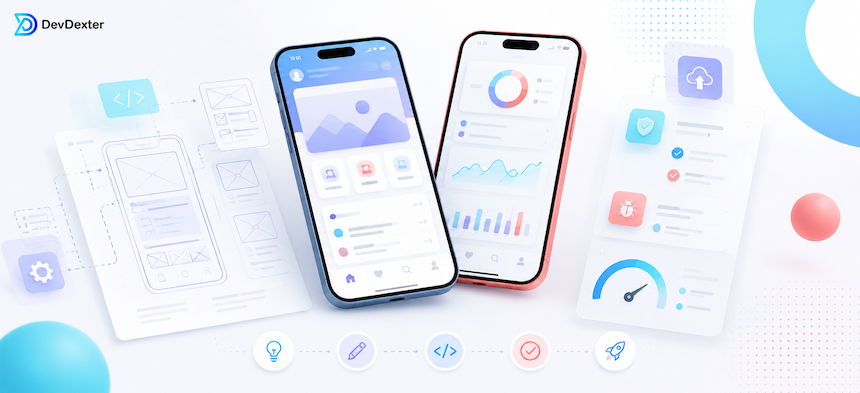
One of the best ways to reduce risk is to start with a focused first version. The first version should solve a real problem, support the most important users, and collect reliable data. It does not need every possible feature. A smaller launch gives the business a chance to test the workflow, train the team, gather feedback, and improve the system before adding advanced modules.
Good planning should define users, permissions, required data, integrations, notifications, reports, and support expectations. It should also define what is not included in the first phase. This keeps the project realistic and helps the development team focus on business value instead of building unnecessary complexity.
Security, reporting, and long-term maintenance
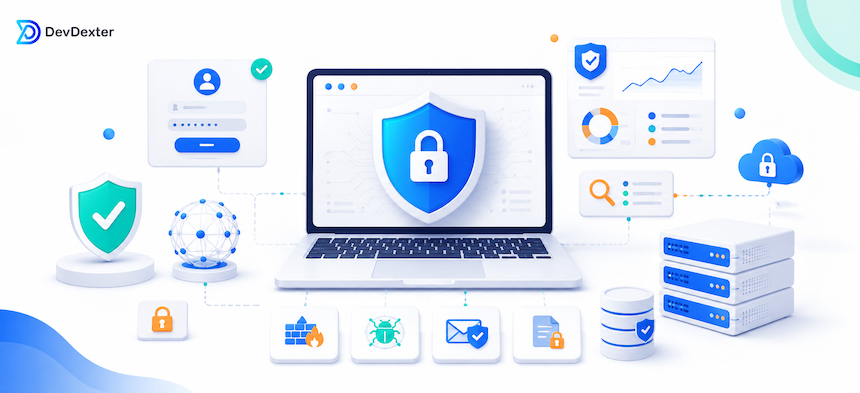
Digital transformation also requires strong technical foundations. Authentication, role-based access, backups, audit logs, validation, error handling, monitoring, and secure hosting should be planned from the beginning. If the system manages customer data, payments, private documents, or internal approvals, security is not optional. It is part of the quality of the business process.
Reporting is another key part of the project. A dashboard should not only look attractive. It should answer real business questions: how many requests are open, where delays happen, which services are growing, which users need attention, and what actions are pending. When reports are connected to clean data, managers can act faster and with more confidence.
Common mistakes to avoid
A common mistake is automating a process before understanding it. If the workflow is unclear, software may simply make confusion faster. Another mistake is building too many features in the first release. Large projects without clear priorities often become expensive and difficult to launch. Businesses should also avoid treating design, development, security, content, and support as separate topics. A strong digital system needs all of them to work together.
How DevDexter can help
DevDexter helps businesses plan and build practical digital systems such as websites, web applications, internal portals, APIs, dashboards, automation workflows, and AI-assisted tools. The process starts by understanding the business operation, then designing a solution that fits real users and real workflows. The goal is to build systems that are clear, secure, maintainable, and useful after launch.
Frequently Asked Questions
What is the first step in digital transformation?
The first step is mapping the current workflow and identifying where manual work, duplicated data, delays, or unclear responsibilities create problems.
Does every business need a large custom platform?
No. Many businesses should start with a focused first version that solves one important workflow, then expand after testing and feedback.
How does digital transformation reduce cost?
It can reduce repeated manual work, prevent errors, improve reporting, speed up approvals, and make teams more productive over time.
Need a practical development plan? Explore DevDexter services, review pricing, or contact DevDexter to discuss your project.
Need a custom website, app, or AI automation system?
Contact DevDexter to discuss your project and get a practical development plan.