

Blockchain can be useful for some business systems, but it should not be treated as a solution for every digital problem. The value of blockchain appears when multiple parties need a shared, trusted record that is difficult to change without visibility. For many internal systems, a traditional database is faster, simpler, and more cost-effective. The real skill is knowing when blockchain adds value and when it only adds complexity.
When blockchain makes business sense
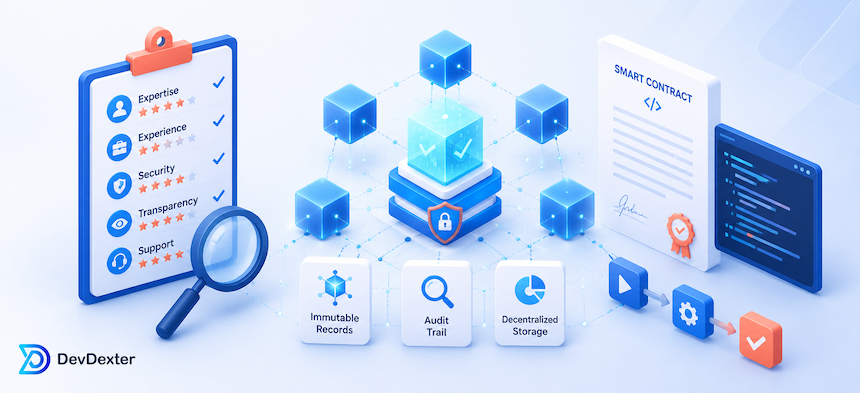
Blockchain is most useful when trust, verification, traceability, and shared records are central to the workflow. Examples may include digital certificates, supply chain tracking, asset history, multi-party approvals, transaction records, audit trails, or smart contract logic. In these cases, the business may need a record that can be verified by more than one party and cannot be silently changed by a single actor.
However, the need for transparency should be real. If one company controls all data, all users, and all approvals, a normal database with strong permissions and audit logs may be the better option. Blockchain is not automatically more secure for every use case. It introduces new planning requirements around governance, data privacy, performance, cost, and user experience.
Define the business problem first
Before choosing blockchain, the team should define the problem in plain business language. Who needs to trust the record? Who creates data? Who verifies it? What should be public, private, or restricted? What happens if data is entered incorrectly? Which existing systems must connect to the blockchain layer? These questions are more important than the technology name.
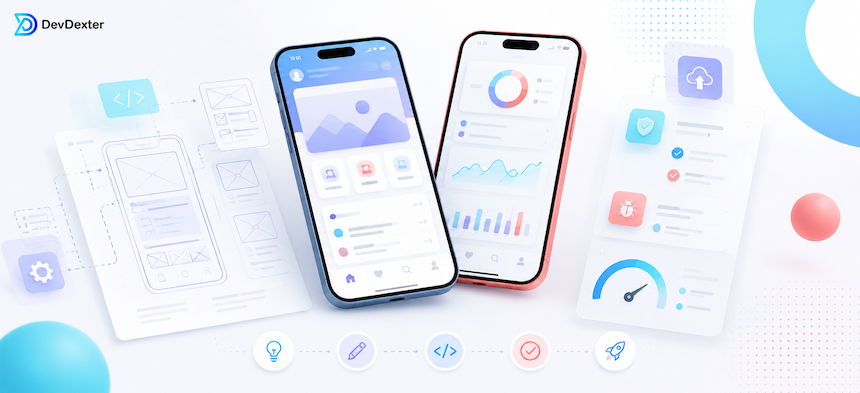
A practical blockchain project should also define the user interface. Users usually do not want to think about blocks, wallets, or network architecture. They want a simple way to submit, review, verify, or track information. If the user experience is confusing, the project may fail even if the technical architecture is impressive.
Useful business use cases
Blockchain can support digital verification, shared audit logs, certificate validation, document authenticity, asset tracking, transparent transaction history, and selected contract rules. Smart contracts can automate some logic, but they should be designed carefully. A business rule that is easy to change in a normal application can become more difficult to adjust once it is built into a smart contract.
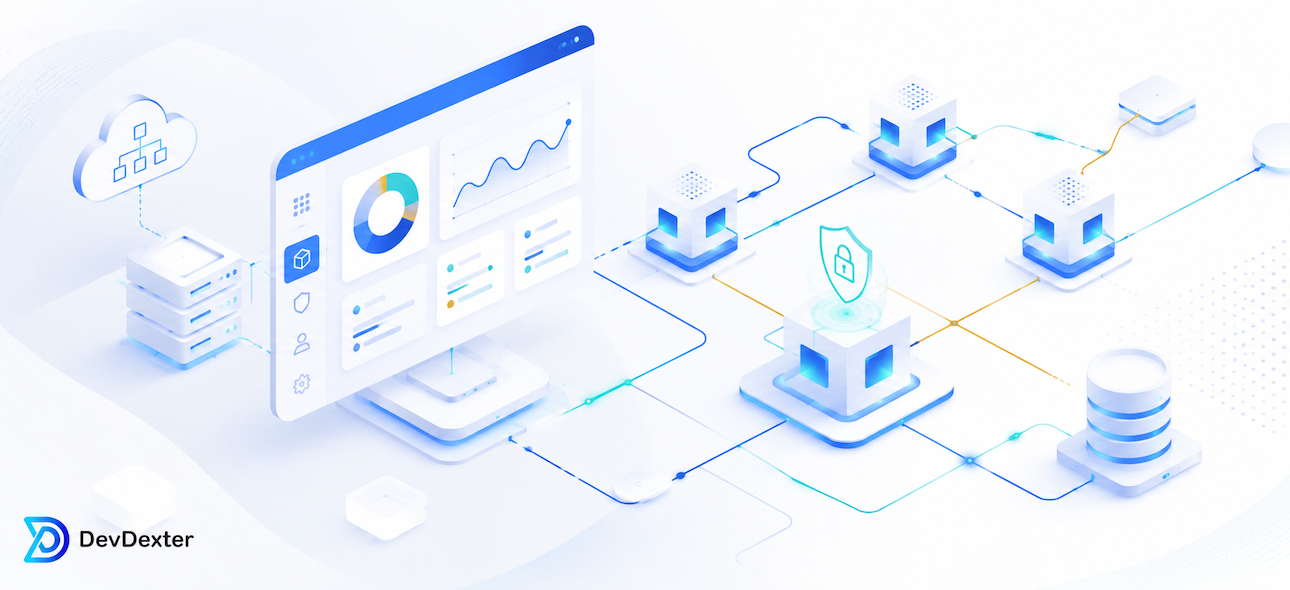
In many projects, blockchain works best as one part of a larger system. The business may still need a web app, admin panel, API, database, reporting dashboard, notification system, and support workflow. The blockchain layer handles trust or verification, while the rest of the system handles usability and operations.
Security and data privacy
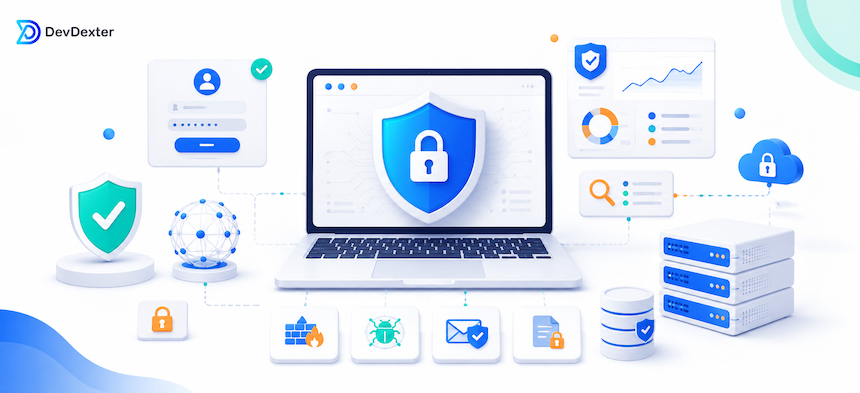
Security planning is essential. Blockchain does not remove the need for authentication, role permissions, secure APIs, validation, backups, monitoring, and careful key management. If private data is involved, the team must decide what is stored on-chain, what is stored off-chain, and how the two layers connect. Sensitive customer data should not be placed in a public record without a clear privacy and compliance strategy.
Auditability also depends on data quality. If incorrect information is written into a trusted record, the system may preserve a bad record. That is why validation, permissions, review workflows, and error handling are still important. A blockchain system should be designed around business controls, not only around the chain itself.
Integration with existing systems
A blockchain feature rarely works alone. It may need to connect with an internal portal, CRM, payment system, document storage, mobile app, or analytics dashboard. These integrations should be planned early because they affect architecture, cost, timeline, and user experience. A strong API strategy can make the solution easier to maintain and extend.
Common mistakes to avoid
A common mistake is using blockchain only because it sounds innovative. Another mistake is underestimating integration work. A blockchain feature still needs to connect with websites, portals, CRM systems, payment tools, or internal dashboards. Businesses should also avoid promising full decentralization if the actual system is controlled by one company and one workflow.
Cost and performance should be considered early. Some blockchain operations may create transaction costs or slower workflows compared with a normal database. The architecture should match the business need, not the trend.
How DevDexter can help
DevDexter helps businesses evaluate whether blockchain is the right choice for a project. If it is useful, the work can include architecture planning, web applications, APIs, dashboards, verification flows, admin panels, and integration with existing systems. If blockchain is not the right fit, DevDexter can help design a simpler and more maintainable system using traditional software architecture.
Frequently Asked Questions
Does every business system need blockchain?
No. Many business systems work better with a traditional database, strong permissions, and audit logs. Blockchain is useful only when shared trust and verification are core requirements.
Can blockchain work with normal web applications?
Yes. Most practical blockchain projects still need web apps, APIs, admin panels, databases, dashboards, and user-friendly interfaces.
What should be planned before starting?
Plan the users, data model, privacy rules, verification process, integrations, costs, governance, and how non-technical users will interact with the system.
Exploring blockchain for your business? Review DevDexter services or contact DevDexter to discuss a practical approach.
Need a custom website, app, or AI automation system?
Contact DevDexter to discuss your project and get a practical development plan.