

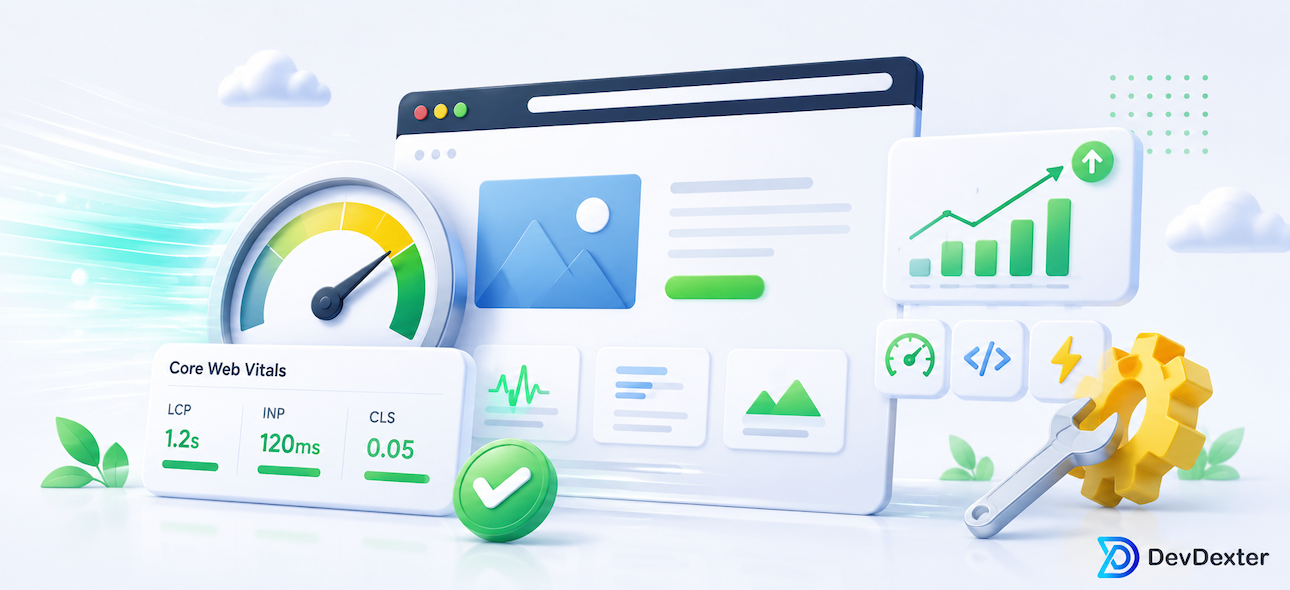
Website speed optimization services help business websites load faster, perform better on mobile, and provide a smoother user experience. Speed affects SEO, trust, conversions, and the way customers judge a company online.
Why this topic matters
Businesses often start with simple tools, but growth creates more complexity: more users, more data, more customer requests, more reporting needs, and more integrations. A well-planned digital system gives the company a stronger foundation for daily operations.
The best solution should match real workflows instead of forcing the team to work around software limitations. This is why planning, user roles, data flow, security, and maintenance are important from the beginning.
Key features to plan
A strong project usually includes clear user journeys, role-based access, clean forms, useful dashboards, reliable notifications, structured data, and integration points with existing systems. The exact feature set depends on the business model and the first version needed for launch.
It is usually better to start with a focused version that solves the core problem, then expand based on real usage. This reduces risk and helps control cost.
Common mistakes
Common mistakes include starting without clear requirements, choosing tools only because they are cheap, ignoring mobile usability, skipping security planning, and launching without support or maintenance. These issues often become more expensive later.
A professional project should include discovery, design, development, testing, deployment, and post-launch improvement. Each stage helps avoid confusion and creates a better final result.
How DevDexter can help
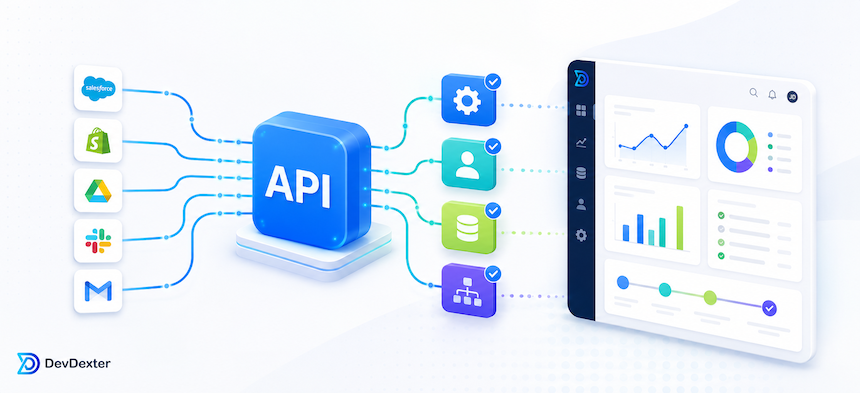
DevDexter helps businesses plan and build websites, web apps, APIs, dashboards, automation tools, and digital systems that support real operations. We focus on practical features, maintainable structure, and long-term growth.
What to prepare before starting
Before development begins, the business should prepare examples of current workflows, common customer questions, existing tools, required reports, user roles, approval steps, and any systems that need to be connected. This preparation makes the project more accurate and reduces the chance of expensive changes later.
It also helps to define the first version clearly. A focused first release can solve the main problem, collect feedback from real users, and create a stronger foundation for future improvements. Trying to include every possible feature from day one often slows the project and makes decisions harder.
Implementation roadmap
A professional implementation usually starts with discovery and planning, then moves into content or data preparation, user experience design, backend development, integrations, testing, deployment, and post-launch support. Each stage should have clear responsibilities and review points.
For business systems, testing should include real scenarios instead of only checking whether screens load. The team should test permissions, edge cases, data validation, notifications, mobile behavior, security rules, and the way users complete the main workflow.
How to measure success
Success should be measured with practical business indicators. Depending on the project, this may include fewer manual tasks, faster response time, better lead quality, fewer errors, clearer reporting, more completed forms, improved customer satisfaction, or lower support workload.
The most valuable digital systems are improved over time. After launch, real usage data can show which parts work well, which sections confuse users, and which features should be improved or removed.
Long-term maintenance and improvement
A serious business system should not be treated as a one-time file delivery. It needs updates, backups, monitoring, security checks, content changes, and small improvements based on real feedback. Planning maintenance early helps protect the original investment and keeps the system useful as the business changes.
This is also important for SEO and conversion. Search behavior changes, competitors improve, and customer expectations grow. Reviewing performance, updating important pages, improving calls to action, and cleaning technical issues can help the website or system keep producing value after launch.
Content, tracking and decision making
For any commercial page or digital system, tracking should be planned early. Form submissions, quote requests, call clicks, email clicks, chatbot interactions, and important CTA clicks can show whether the page is attracting the right users. These signals help the team make better decisions instead of guessing.
Content should also be reviewed regularly. Strong pages answer real buyer questions, explain the process clearly, reduce uncertainty, and guide visitors toward a practical next step. When content, design, development, and tracking work together, the project has a better chance of producing measurable business value.
Why speed optimization should be continuous
Website speed is not a one-time task. New images, plugins, scripts, tracking tools, design changes, and hosting conditions can affect performance after launch. A good optimization process includes regular testing, image compression, script review, caching checks, server monitoring, and Core Web Vitals review. This helps the website stay fast as the business adds new content, landing pages, and marketing campaigns.
Frequently Asked Questions
How long does a project usually take?
The timeline depends on scope, features, integrations, content, testing, and review cycles. A focused first version is usually faster than a large all-in-one platform.
Can the system grow later?
Yes. A well-planned system can start small and later expand with new features, integrations, dashboards, and automation.
What should a business prepare first?
Prepare goals, users, workflows, required features, examples, integrations, timeline, and budget expectations.
Need help planning a reliable digital system? Explore our services, review pricing, or contact DevDexter to discuss your project.
Need a custom website, app, or AI automation system?
Contact DevDexter to discuss your project and get a practical development plan.