

Custom software development can make a big difference for Bahrain businesses that have outgrown spreadsheets, disconnected tools, or manual approval processes. Many companies start with ready-made software because it is fast to adopt, but after a while they discover that the tool does not match the way their team actually works. Staff begin adding side spreadsheets, managers lose visibility, and customers wait longer because information is spread across different places.
Why Bahrain businesses choose custom software
A custom system is built around the company’s real workflow. That might include a client portal, an internal dashboard, an approval system, a booking platform, a document management flow, a CRM-style tool, or a reporting system that connects with existing data. The goal is not to build complicated software for its own sake. The goal is to remove friction from daily work and give the business a more reliable way to operate.
For service companies, custom software can help manage customer requests, staff tasks, files, payments, and follow-ups. For operations teams, it can turn repeated manual steps into structured workflows. For management, it can show useful reports instead of waiting for someone to prepare data manually.
When custom software is better than generic tools
Generic tools are useful when your process is simple and does not need many special rules. Custom software becomes more valuable when your company needs unique permissions, local workflow requirements, multiple user roles, approval steps, language support, custom reports, or integrations with websites, payment gateways, CRMs, or accounting tools.
Another sign is when your team keeps using workarounds. If people export data, copy it into another system, send messages manually, or rely on one person to know the status of everything, the business may be ready for a custom platform.
Useful systems we can build
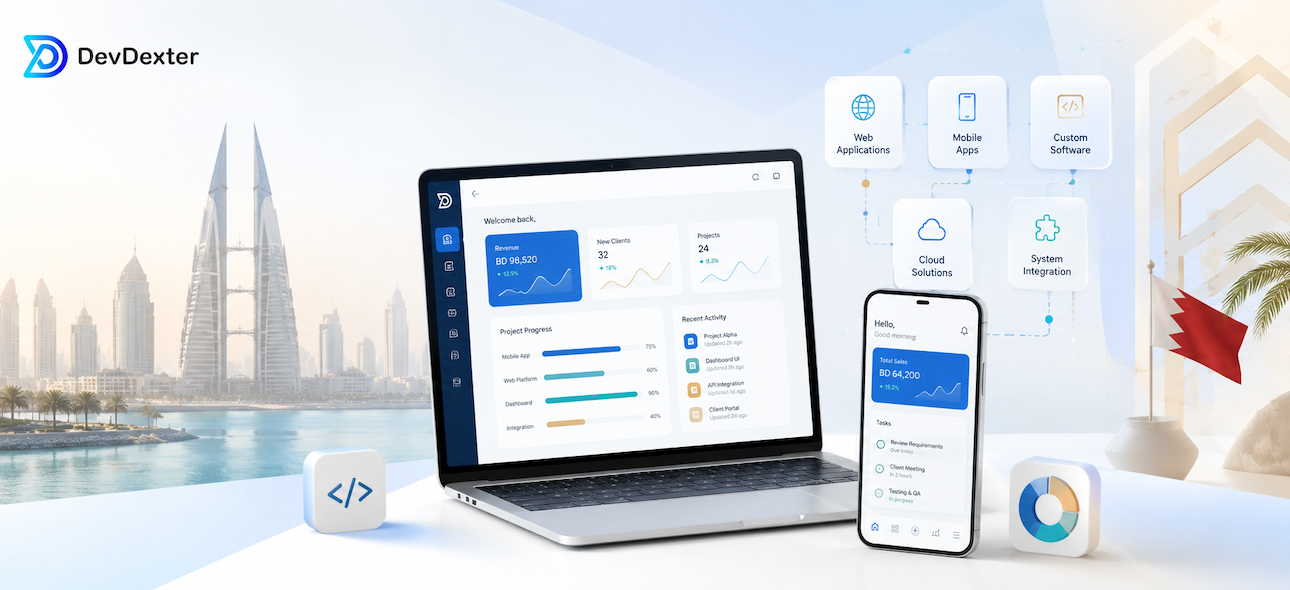
DevDexter can build internal portals, customer dashboards, admin panels, CRM-style systems, booking tools, document workflows, finance or invoice tracking, API integrations, notification systems, and reporting dashboards. These systems can be small at the beginning and expand as the business grows.
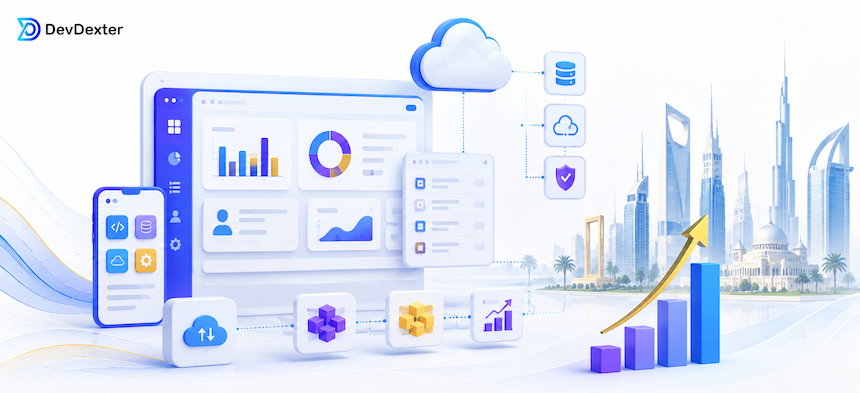
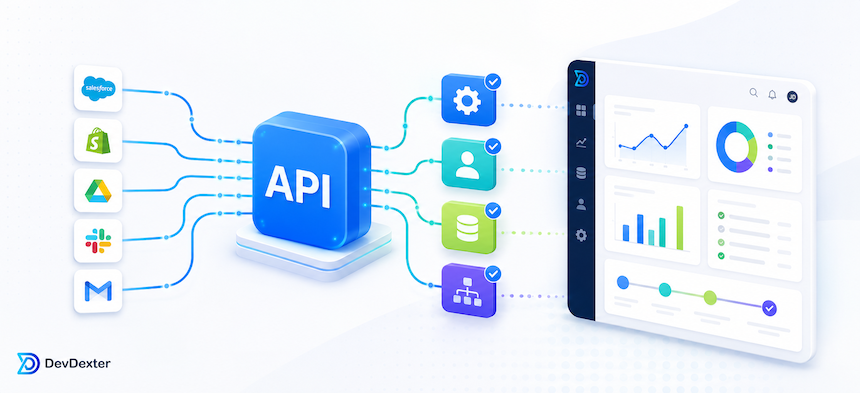
For example, a custom dashboard can show open tasks, pending approvals, customer requests, revenue summaries, support activity, and operational performance. An API integration can connect a website form to an internal system so staff do not need to re-enter information. A document workflow can store files, track versions, and make approvals clearer.
Planning before development
A strong project starts with planning. Before writing code, it is important to define users, roles, permissions, data fields, reports, notifications, integrations, security needs, and support expectations. This helps avoid building features that look useful but do not solve the real problem.
It is also important to decide what should be in the first version. A focused first version is easier to test, easier to train staff on, and easier to improve. After the core workflow is stable, extra features can be added with less risk.
Security and long-term support
Business software should be secure from the beginning. That includes role-based access, strong authentication, input validation, backups, logging, and safe hosting. Good support is also important because business software usually changes as the company grows. New reports, integrations, and workflow updates are normal parts of a healthy system.
How DevDexter helps
DevDexter helps businesses plan and build custom websites, web apps, APIs, dashboards, and automation systems. We focus on practical software that fits the way your team works, rather than forcing your business into a rigid template.
What to prepare before starting
Before starting a custom software project, prepare a simple map of the current workflow. List the people involved, the steps they follow, the files they use, the reports they need, and the tools they already depend on. This does not need to be perfect. Even a basic workflow map helps the development team understand where software can create real value.
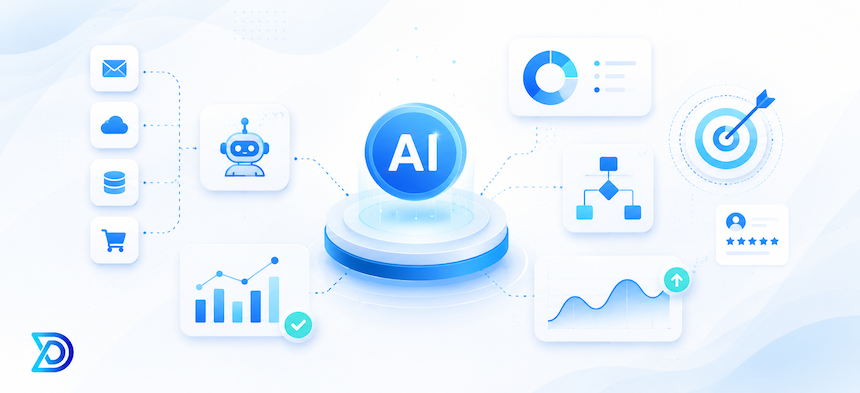
It is also useful to separate urgent features from future features. For example, the first version may only need user accounts, customer records, task management, and reporting. Payment integration, advanced automation, or AI features can be planned for a later phase. This makes the project easier to launch and easier for staff to adopt.
Frequently Asked Questions
How long does a custom software project take?
The timeline depends on scope, features, integrations, and review cycles. A small internal tool may take a few weeks, while a larger platform needs more discovery, design, development, and testing.
Can custom software start small?
Yes. In many cases, the best approach is to build a focused first version and expand it after the team starts using it.
Can DevDexter connect the software to existing tools?
Yes. We can plan API integrations for websites, payment gateways, CRMs, dashboards, internal systems, and other business tools.
Need custom software for your business? Explore our services, review pricing, or contact DevDexter to discuss your project.
Need a custom website, app, or AI automation system?
Contact DevDexter to discuss your project and get a practical development plan.